A single chair can change everything. The right piece doesn’t just fill a corner—it anchors the room, sets the tone, and tells a story about the space and the person in it. That’s why selecting the right lounge chair design deserves more thought than most people give it.
This guide walks you through everything you need to know: from understanding chair styles and materials to getting the scale right and building a look that lasts. By the end, you’ll have a clear sense of what to look for—and the confidence to choose a piece you’ll love for years.
Why Your Choice of Lounge Chair Matters More Than You Think
Furniture does more than serve a function. A lounge chair sits at the intersection of comfort and design, making it one of the most expressive pieces in any living space. It’s often the first thing guests notice and the last thing you leave at the end of a long day.
The right chair can:
- Define the mood of a room—relaxed, refined, or somewhere in between
- Create a focal point that draws the eye and anchors the layout
- Add texture, color, and dimension that softer furnishings alone can’t achieve
- Offer a dedicated space for reading, unwinding, or simply being still
Investing in quality here pays dividends in both comfort and aesthetic longevity.
How to Identify the Right Chair Style for Your Space
Style is personal, but it also has to work within the context of the room. Before falling in love with a silhouette, consider what already exists in your space.
Matching the Chair to Your Interior Aesthetic
- Contemporary and minimalist spaces benefit from clean lines, low profiles, and neutral upholstery. Look for chairs with slim legs and understated forms.
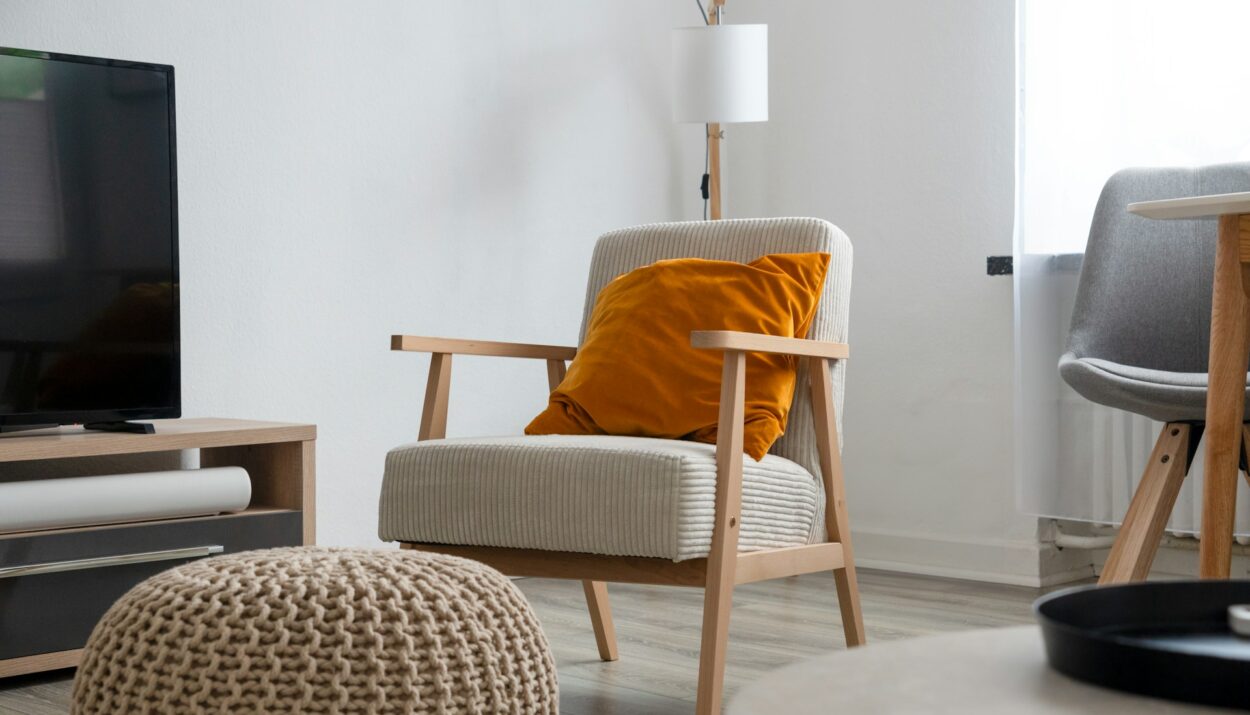
- Mid-century modern interiors pair naturally with tapered wooden legs, curved backs, and tonal fabrics like mustard, olive, or rust.
- Transitional rooms offer the most flexibility—they can accommodate bolder shapes or mixed materials without disrupting the overall harmony.
- Maximalist or eclectic spaces can handle a statement chair with texture, pattern, or an unexpected finish.
The goal is cohesion, not uniformity. A chair that contrasts thoughtfully with the rest of the room can be just as effective as one that blends seamlessly.
Understanding Materials: What They Say and How They Perform
Material choice affects both the look and the longevity of a lounge chair. It also shapes how the piece feels to live with day to day.
Fabric Upholstery
Woven fabrics—linen, velvet, boucle, and performance blends—offer warmth and tactile richness. Velvet catches light beautifully and adds a sense of luxury, while boucle brings texture and a casual sophistication. Performance fabrics are ideal for high-traffic areas or homes with pets and children.
Leather and Leather Alternatives
Leather ages gracefully and develops character over time. It’s easy to clean, durable, and works across a surprisingly wide range of interiors. Distressed leathers in browns and tans suit rustic or industrial settings, while smooth leathers in black or ivory feel more contemporary.
Wood and Metal Frames
The frame material often goes unnoticed—until you see a chair without it. Exposed wood legs in oak, walnut, or beech add warmth and ground the piece naturally. Metal frames in gunmetal, antique bronze, or matte black lean more industrial or modern. The right frame can elevate an otherwise simple silhouette.
Getting the Scale and Placement Right
A beautiful chair in the wrong place—or the wrong size—can throw off an entire room. Scale is one of the most commonly overlooked aspects of furniture selection.
Measuring Before You Buy
Always measure your space before purchasing. Consider:
- Ceiling height: Taller ceilings can handle high-backed chairs; lower ceilings suit lower, wider profiles
- Room footprint: A generous lounge chair (typically 35″+ wide) needs breathing room on at least two sides
- Traffic flow: Leave at least 30–36 inches of clearance around contemporary seating areas for comfortable movement
Placement Strategies That Work
- The reading nook: Position the chair beside a window or floor lamp with a small side table within reach
- The conversational corner: Place two chairs opposite a sofa at a slight angle to encourage face-to-face interaction
- The statement piece: Anchor a chair in an underused corner with a rug underneath to define the zone
Exploring Chair Types: From Swivel Seats to Deep-Seated Armchairs
Not all lounge chairs are created equal. The type you choose should reflect how you plan to use it and who will be using it most.
Swivel Lounge Chairs
Swivel chairs offer a practical edge—they rotate freely, making them ideal for open-plan spaces where you need to shift focus between zones. They tend to have a slightly more contemporary feel and work well in living room furniture that double as workspaces or entertainment areas.
Classic Armchairs
Traditional armchairs prioritize support and structure. They’re well-suited to formal sitting rooms, home libraries, or any space where upright comfort matters. Many feature padded arms and firm cushioning that hold their shape over time.
Deep-Seated Lounge Chairs
For pure relaxation, deep-seated chairs with generous cushioning are hard to beat. These are the chairs you sink into—wider, lower to the ground, and built for long stretches of comfort. Pair them with an ottoman for the full effect.
SUNPAN’s collection of modern lounge chairs covers all three categories, crafted from premium materials including wood, leather, and luxurious fabrics—each designed with both comfort and refined style in mind.
How to Build a Cohesive Look Around Your Lounge Chair
Once the chair is chosen, the styling around it matters just as much. A well-dressed chair feels intentional; a neglected one—however beautiful—can feel like an afterthought.
Layering Accessories
- Throw blankets: Draped over the arm or back, a textured throw adds warmth and color without commitment
- Cushions: One or two cushions in a complementary fabric add dimension—avoid over-stuffing
- Side tables: A round or sculptural side table at arm height keeps essentials close without crowding the chair
- Lighting: A floor lamp positioned just behind and to the side of the chair creates an inviting pool of light
Grounding the Chair with a Rug
A rug beneath the chair—or extending slightly under it—visually anchors the piece and signals that it belongs to a defined area within the room. Opt for a rug that extends at least 18 inches beyond the chair on either side for a balanced proportion.
Choosing a Chair That Stands the Test of Time
Trends cycle. What looks fresh today may feel dated in three years. The most enduring lounge chairs share a few key qualities:
- Classic proportions that don’t rely on novelty to make an impact
- Quality construction with solid frames, reinforced joints, and resilient upholstery
- Neutral or timeless tones that allow for easy restyling as surrounding decor evolves
- Versatile silhouettes that work across multiple interior styles
Buying well once is almost always more cost-effective—and more satisfying—than replacing a cheaper piece every few years.
Make Your Space Work Harder
A thoughtfully chosen lounge chair does something that most furniture can’t: it creates a moment. A specific spot in the home that feels personal, considered, and genuinely comfortable.
The process of choosing it should feel the same way—deliberate, informed, and enjoyable. Use the framework in this guide to narrow your options, trust your instincts on what draws you in, and don’t rush the decision. The right chair is worth the wait.
Ready to explore your options? Browse SUNPAN’s full armchair and lounge chair collection to find a piece that fits your space, your style, and the way you actually live.